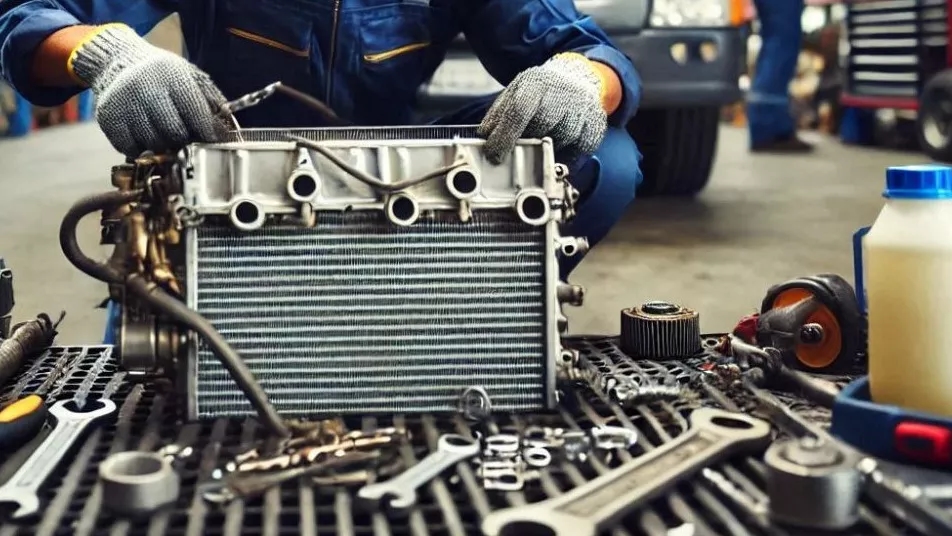
Basically, radiators are a type of heat exchanger through which the hot fluid material loses its temperature significantly and returns to the engine cooling network or any other device that needs to reduce the temperature. The car radiator is usually a mesh set containing water pipes, cooling fins, water inlet tank, water outlet tank, as well as the ventilation tank plus the radiator cap.
When should we check the car radiator?
One of the most important things to consider and check it is the water level of the radiator tank. Check the water level of the radiator reservoir, especially if you own an Iranian car. Reduced radiator water reduction of problems such as hole or decay of water circulation pipes, radiator piercing, water pump or water pump gaskets, cylinder headflows, etc.
Regular monthly or annually by the type of vehicle, replace the water inside the radiator and do the proper ventilation. When replacing the radiator water, it is best to clean the sediments in the radiator pipes. Examine components such as hose and radiator tubes that are visible and accessible from the outside. If you see cases such as: symptoms of caries, fractures or cracking of the pipes and swelling or the one -direction of the hose, you should replace the hoses and pipes.
always pay attention to the car radiator door. Any decay or failure of the gaskets in the radiator door closing will remove the radiator water from the tank and boil the car and future problems.
always pay attention to the car water level. Increasing the water temperature of the radiator and operating the car's fan alternately can indicate the failure of the thermostat of the car. Opening and closing the thermostat guarantees the proper functioning of the water circulation in the radiator system and locking it can lead to boiling the car and burning the car's head gasket.
Importance of car radiator
The importance of the car radiator is so great that if the slightest problem occurs in the operation of this part, the engine may suffer costly problems such as cylinder head gasket burning, ring and piston damage, and even bearing damage. Therefore, it is very important and vital to have a radiator as well as to ensure the correctness of its operation in the car.
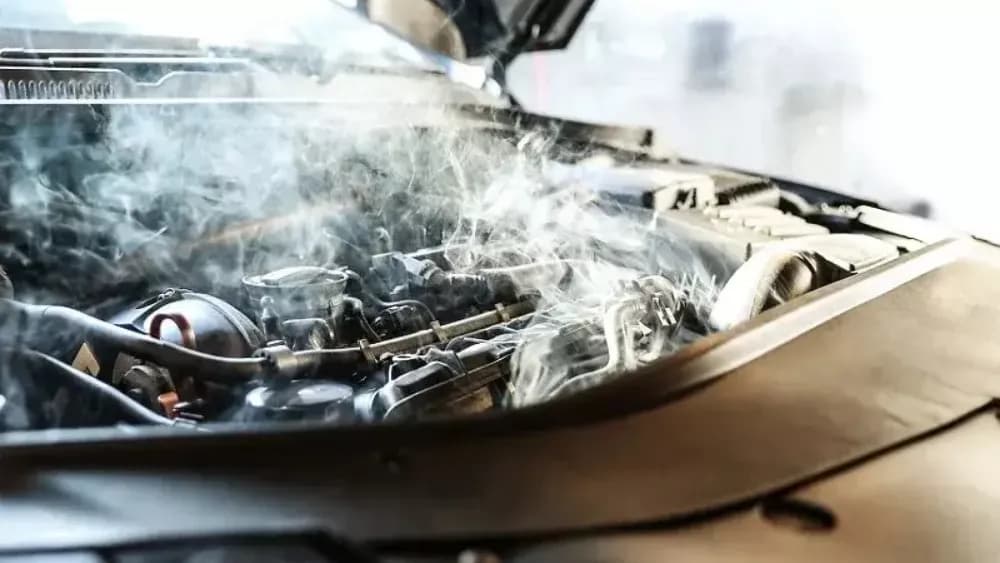
Time to check the car radiator
Reviewing the radiator has no special time and should always be careful about it. But if you have the following problems, be sure to check the car's radiator in terms of leakage, dirt, etc.:
If the engine is hot
If the cooling fluid has a leakage from the radiator
The car heater does not warm up
The reason for the depletion of the car's radiator water
Radiator leakage
Radiator tank piercing
Burning Washer Cylinder Washer
Incomplete Radiator Variety
Failure to Use Antifreeze
/p>
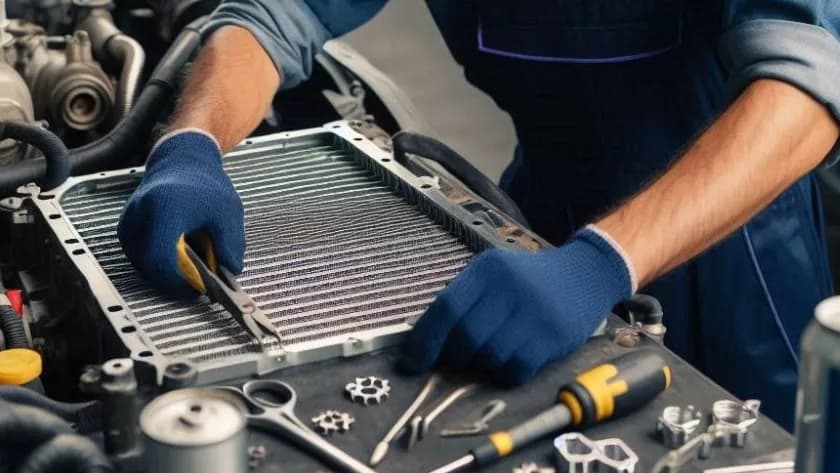
Radiator maintenance methods
In order to maintain the car radiator, it is necessary to observe several points. The first and most important thing is to always use the right amount of antifreeze in the radiator. Usually, the percentage of antifreeze and water is 50-50, or 40% antifreeze and 60% water. Open and wash the radiator every two or three years. You can do this by radiator repair shops to remove any dirt and blockage inside the radiator ducts and return the performance of this part to the first day.
Always use the right cooler
Just use brand -specific and car coolers and do not mix the coolers. The requirements of aluminum and rice copper radiators may vary and the ordinary cooling is not sufficient.
Rinse your radiator regularly
every 12 months or 30 000 km a wash Radiator and replacement of the engine cooling liquid eliminates rust and residual and the radiator works properly
Has and check the leak
Look for leakage and cracking in your radiator hose every time you replace your car oil. Also check the rusty clamps and make sure your gasket is installed on your radiator cover is still healthy. Look for visual symptoms of leakage or leak underneath the engine.
Fluid Examination
Maintain suitable cooling levels is critical. This not only prevents your car from overheating in hot air, but also prevents freezing liquids in very cold weather.
your vehicle over Do not load
The more your vehicle carries the more load, your radiator needs to work more to cool your car. Overload is one of the main causes of car warming because the engine load increases and therefore puts your car under extra pressure.